

Evidence Based Wellness Supplement

You're standing in a pharmacy aisle, or scrolling through a product page, comparing two turmeric bottles. One says “clinically studied.” The other highlights its traditional use and a long list of natural ingredients. Both sound convincing, but neither phrase tells you whether the formula in your hand matches the formula researchers tested.
That's the central problem with choosing an evidence-based wellness supplement. The question isn't whether an ingredient has appeared in a study. You need to know what the study tested, who participated, how much they took, how long they used it, and whether the product label provides the same substance in a comparable form.
The following framework turns those questions into a practical label-reading habit. It will help you separate promising evidence from marketing language, assess multi-ingredient formulas without overclaiming, and set expectations that fit the research rather than the advertising.
Table of Contents
What Evidence-Based Really Means for a Wellness Supplement
An evidence-based wellness supplement is a product whose proposed benefits are connected to structured human research, a defined formulation, a studied dose, and a safety discussion. Tradition can provide a reason to investigate an ingredient. A testimonial can describe one person's experience. Neither establishes that a particular capsule will produce the same result for you.
Marketing language often skips the details that matter most. “Supports joint health,” “promotes calm,” and “helps maintain mental clarity” may describe a product's intended use, but they don't tell you whether researchers tested the same extract, the same dose, or the same combination of ingredients. A peer-reviewed human trial is more informative when it identifies the population, intervention, comparison group, outcome, and duration.

The three questions that matter
When you evaluate a bottle, start with three checks:
Was the ingredient tested in humans? Laboratory findings and traditional use can be useful background, but they don't answer whether people experience a meaningful benefit.
Does the product match the research? The extract type, standardization, dose, delivery method, and ingredient combination all matter.
Does the label report the evidence accurately? A responsible claim should reflect the strength and limits of the research, not turn an early signal into a promise.
This distinction matters because shoppers generally can't treat a supplement label like a drug approval notice. A product may contain familiar botanical ingredients and still lack evidence for its exact combination or intended outcome. The buyer therefore has to examine the evidence trail rather than relying on a seal of confidence created by words such as “natural,” “advanced,” or “clinically inspired.”
Practical rule: Don't ask only, “Has this ingredient been studied?” Ask, “Has this exact form, at this dose, for this goal, been studied in people like me?”
A useful product may still have incomplete evidence. That doesn't automatically make it worthless. It means you should describe it accurately: a formula may contain ingredients with encouraging findings, while the finished combination remains less certain. The framework throughout this guide rests on a tested ingredient, a matched dose, and honest reporting of results.
The Evidence Hierarchy from Lab Bench to Meta-Analysis
Not all evidence answers the same question. A laboratory experiment might show that a compound can interact with a cell pathway. That's a useful clue, but it doesn't tell you whether a capsule survives digestion, reaches the relevant tissue, or improves how a person feels.
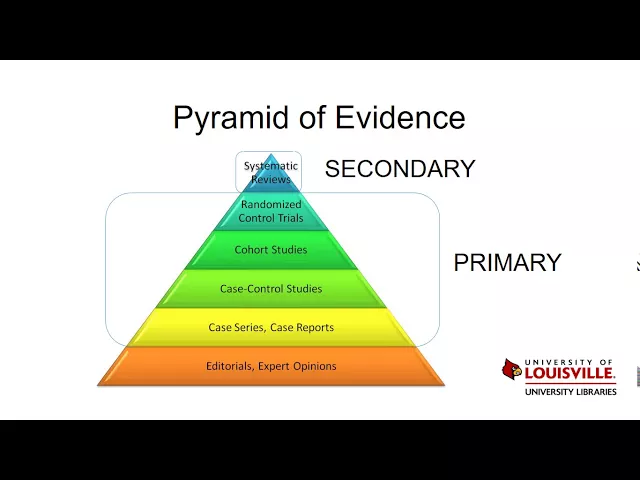
The evidence hierarchy helps you understand how far a claim has travelled from biological possibility to a tested human outcome.

Start with plausibility, not proof
In-vitro or mechanistic research takes place outside a living person, often using cells, enzymes, or isolated compounds. It can explain why researchers are interested in an ingredient, but it can't establish a practical wellness benefit.
Animal research adds a whole organism, which helps researchers examine absorption, metabolism, and biological effects. Even so, animal findings don't transfer automatically to humans. The species, dose, metabolism, and disease model may differ substantially from everyday human use.
Observational research follows people in everyday settings. Cohort and case-control studies can reveal patterns, such as whether people who use a supplement also report a particular outcome. They can't reliably separate cause from the many other differences between supplement users and non-users.
Human experiments carry more weight
A randomized controlled trial gives participants different interventions by chance, often comparing a supplement with a placebo. Randomization helps distribute unrelated differences between groups. Blinding reduces the chance that expectations from participants or researchers influence the result.
The strongest trials also define the outcome before the experiment begins, describe the intervention precisely, and report results that fail to support the desired benefit. A result that doesn't reach a meaningful difference isn't a failure of science. It's information about where a claim may not work.
At the top of the usual hierarchy are systematic reviews and meta-analyses. A systematic review gathers relevant studies using a stated method. A meta-analysis combines compatible results mathematically. That can provide a clearer overall estimate, but it doesn't magically fix weak or mismatched studies. If the underlying trials use different extracts, doses, populations, or outcomes, the pooled conclusion may still have important limits.
Higher-tier evidence usually deserves greater weight when it conflicts with lower-tier evidence. Still, a lack of high-quality trials isn't the same as proof that an ingredient can never help. It means the responsible claim remains uncertain, narrow, or dependent on conditions that researchers haven't defined well enough.
How to Judge a Supplement Study Without Being a Scientist
A product page may cite a study that sounds impressive, but the citation alone doesn't establish that the product matches the research. You can assess the fit without calculating statistics or reading every technical detail.

Filter one, check the people
First, identify the study population. Were the participants healthy adults, older adults, athletes, or people with a diagnosed condition? A result in one group may not apply to another. A study that evaluates a symptom in people with a specific condition can't automatically support a broad claim about daily wellness in healthy adults.
Look for the outcome, too. “Improved sleep” might mean a validated questionnaire score, time spent asleep, fewer nighttime awakenings, or a participant's general impression. Those outcomes aren't interchangeable.
Filter two, match the intervention
Compare the study's intervention with the Supplement Facts panel. Check:
Extract identity: Is the research based on the root, leaf, whole plant, or a named extract?
Standardization: Does the label identify the concentration of the relevant active compounds?
Daily amount: Does the serving provide a comparable dose?
Combination: Did researchers test the ingredient alone, or alongside the other ingredients in the bottle?
Duration: Did participants use the product long enough to evaluate the claimed outcome?
You can search the study title or ingredient in PubMed and look for registered trials through ClinicalTrials.gov. Read the abstract first. It usually identifies the population, intervention, comparison, and main result without requiring specialist knowledge.
Filter three, look for transparency
Funding doesn't automatically invalidate a study, but it gives you context. Look for sponsor information, author affiliations, registration details, and a clear description of how the product was supplied. Be cautious when a marketing page highlights only favorable findings while ignoring null results, limitations, or differences between studies.
A trustworthy evidence trail makes it possible to see what was tested, what didn't work, and where uncertainty remains.
The final check is relevance. A carefully conducted trial may still be a poor guide if the bottle uses a different extract or if the advertised claim stretches beyond the measured outcome. Evidence becomes useful at the point where the study and the label align.
Ingredient Profiles for Turmeric, Ashwagandha, Ginger, and Bromelain
These four ingredients illustrate why “well researched” isn't a single category. Their evidence differs by outcome, formulation, population, and dose. The most useful comparison is therefore not which ingredient sounds strongest, but which ingredient has the most relevant evidence for your goal.
Ingredient | Active Compound or Extract | Evidence Strength | Typical Studied Dose | Best-Supported Use |
|---|---|---|---|---|
Turmeric or curcumin | Curcuminoids from turmeric, with formulation affecting absorption | Encouraging human evidence, with results dependent on formulation and outcome | Studies discussed in the verified evidence range from 500 to 1,500 mg of curcumin alongside 5 to 15 mg of piperine per day (Frontiers in Nutrition review) | Joint comfort and inflammation-related outcomes are common targets, but the product must match the studied curcumin form |
Ashwagandha | Root or standardized extract containing withanolides | The strongest evidence in this group for stress and sleep support, though studies remain varied | Reviews converge around 250 to 600 mg of extract daily, with some analyses reporting better sleep outcomes at 600 mg or more for at least eight weeks (Human Psychopharmacology review) | Stress resilience and sleep support |
Ginger | Ginger root or standardized ginger extract | Human evidence varies by outcome and formulation | A supported dose range wasn't provided in the verified evidence for this guide | Ginger is commonly included in formulas aimed at digestive comfort, recovery, and inflammation-related support |
Bromelain | Enzyme complex derived from pineapple | Modest and outcome-specific evidence | A supported dose range wasn't provided in the verified evidence for this guide | Post-procedure swelling and sinus-related uses are discussed in the broader evidence landscape, but claims should remain restrained |
Ashwagandha provides the clearest example of why dose and duration belong in the same sentence as the ingredient name. A systematic review and meta-analysis reported improved sleep compared with placebo across five trials, with a pooled standardized mean difference of -0.59, and another review reported a larger pooled estimate from four studies (Human Psychopharmacology review). Those figures describe study results, not a guaranteed personal response.
Curcumin presents a different lesson. The ingredient name alone doesn't tell you how much active compound reaches circulation. The formulation can change the practical meaning of the dose, which is why readers exploring pineapple enzymes and related ingredients may also find this bromelain and pineapple enzyme guide useful for understanding ingredient-specific questions.
The comparison also exposes a common mistake. A multi-ingredient formula can be reasonable for someone with several goals, but it usually provides less certainty about which ingredient caused a particular change. A single-ingredient product may offer a cleaner test. A combination may offer convenience. Neither approach is automatically more evidence based.
Why Formulation Changes Everything About the Evidence
A study on curcumin doesn't automatically validate every turmeric capsule. Formulation determines how much of an active compound becomes available to the body, how quickly it is released, and whether it remains stable during digestion.
Curcumin is a useful example because native curcumin is rapidly metabolized in the intestine and liver. Reviews describe piperine, the key black pepper alkaloid in some products, as an inhibitor of processes involved in curcumin metabolism and transport. Analyses have reported plasma exposure increases of up to about 2,000% when piperine is paired with curcumin at approximately 5 to 15 mg of piperine alongside 500 to 1,500 mg of curcumin per day (Frontiers in Nutrition review).
That finding doesn't mean every piperine product produces the same result, or that more absorption is always better. It means the same stated amount of curcumin can have a different biological profile depending on the delivery system. Phospholipid complexes, micellar systems, and other approaches may also alter exposure, but each finished formulation needs its own evidence.

Read the label as a research match
Ashwagandha labels should identify the extract rather than naming the plant. If researchers studied a standardized root extract, a product listing only “ashwagandha root” gives you less information about comparability. The same principle applies to ginger and bromelain. Processing, concentration, stability, and release characteristics can all affect what the body receives.
Use this quick test:
Named extract: Can you identify the plant part and extract type?
Active marker: Does the label state a relevant standardization?
Delivery strategy: Does it explain an absorption or release technology where one is important?
Serving clarity: Can you calculate the amount supplied per daily serving?
Study match: Does the cited research use the same kind of preparation?
If those details are missing, treat the research as background rather than direct proof for that product. A useful explanation of why delivery systems matter appears in this guide to supplement bioavailability, but even an appealing delivery claim should be checked against human evidence on the finished formulation.
Safety, Regulation, and How to Read a Supplement Label
You are standing in the supplement aisle, comparing two bottles that both promise daily wellness support. One lists every ingredient and amount clearly. The other uses a proprietary blend with a polished claim on the front. The clearer label gives you more useful evidence before you buy.
“Natural” describes an origin, not a safety level. An ingredient can affect biological pathways, alter the effects of another substance, or create problems for someone with a particular condition. Ashwagandha, ginger, bromelain, and other active ingredients deserve careful review, especially when prescription medicines are involved.
Safety questions matter before surgery, during pregnancy, with chronic conditions, or when several medicines are taken together. A product page can describe its intended use, but it cannot decide whether the formula fits your medical history. Ask a pharmacist or clinician when the answer depends on a medication, diagnosis, or planned procedure.
Regulation also affects how to read the bottle. In the United States, dietary supplements are not handled like prescription medicines that receive pre-market approval for efficacy. The Harvard Health overview of supplement regulation and evidence explains why marketing claims can sound more certain than the clinical research behind them.
A quick label routine
You can scan a bottle in under a minute:
Start with Supplement Facts. Find the amount of each active ingredient per serving. A total blend weight does not show how much of each ingredient you receive.
Look for extract detail. Check the plant part, extract identity, and standardization language. A multi-ingredient formula should make each amount visible so you can judge its evidence.
Read Other Ingredients. Note allergens, sweeteners, colorants, capsule materials, and substances you prefer to avoid.
Check quality signals. A certification mark from USP, NSF, or ConsumerLab may provide useful verification. It does not prove a particular health benefit.
Verify the manufacturer. Look for contact information, clear directions, lot details, and a way to ask about testing.
A guide to reading Supplement Facts labels walks through this routine step by step. Skip products that hide amounts, rely on dramatic promises, use vague blends, or provide little manufacturer information. A clean-looking label can still omit the details needed to judge dose, quality, and fit.
Safety checkpoint: If you take prescription medication, have a chronic condition, are pregnant, or expect surgery, review the ingredient list with a qualified clinician before starting.
Questions to Ask Before You Buy and Signs to Track
Use the supplement aisle as a fact-checking exercise. Five questions can expose most of the uncertainty:
Does the dose resemble the studied dose? Check each active amount in Supplement Facts, then compare it with the research abstract.
Is the active ingredient standardized? Look for the extract type and relevant active compounds, not just the plant name.
Who funded the research? Search the study's disclosures and author affiliations rather than relying on the product page's summary.
Who participated? Confirm whether the trial population resembles your age, health status, goal, and medication situation.
Does the formula address absorption? For ingredients such as curcumin, check whether the product explains its delivery approach and whether evidence supports that specific approach.
When you start using a product, establish a baseline before changing anything else. Write down how you currently rate the relevant symptom, then make a brief weekly note about sleep, energy, mood, digestion, joint comfort, or another outcome that aligns with the product's intended use.
Give the trial a defined review point rather than judging it after a single day. Stop and seek advice if you develop a new skin reaction, significant gastrointestinal discomfort, or a possible medication interaction. Bring a clinician into the decision before use if you're pregnant, managing a chronic condition, taking multiple prescriptions, or preparing for surgery.
Tracking won't turn a personal experiment into a clinical trial. It can, however, protect you from vague impressions and help you decide whether continuing makes sense.
Putting It Together for Your Daily Wellness Routine
An evidence-based routine starts with one clearly defined goal, one carefully checked formula, and a realistic review period. Choose the ingredient whose human evidence best matches that goal, confirm the dose and extract, and avoid changing several parts of your routine at once.
Ashwagandha research illustrates why patience matters. Reviews describe effects that can depend on dose and duration, with sleep findings becoming more favorable in some analyses at 600 mg daily and at least eight weeks (Human Psychopharmacology review). That isn't a promise or a universal schedule. It's a reminder that a short trial may not resemble the conditions under which researchers observed an outcome.
Treat supplements as additions to sleep, nutrition, movement, and appropriate medical care. Evidence based isn't a permanent stamp placed on a bottle. It's a repeatable habit of checking the ingredient, formulation, dose, population, duration, safety, and honesty of the claim as new research appears.
River of Life offers a vegan capsule formula combining turmeric extract with BioPerine, ashwagandha root, ginger, and bromelain for people considering a multi-ingredient approach to joint comfort and stress support. Visit River of Life to review the formula, label information, and purchase options before deciding whether it fits your goals.