

Equate Pain Reliever: A Complete Guide for 2026

You're standing in the pain relief aisle, staring at two boxes that look almost interchangeable except for the price. One says Tylenol or Advil. The other says Equate. If you're like most shoppers, the question isn't complicated. You want to know: Will the cheaper one work the same, and is it safe to trust?
That's a sensible question. Pain relievers are the kind of products people buy quickly, often when they're already dealing with a headache, a sore back, a fever, or aching knees. In that moment, nobody wants a chemistry lecture. You want a clear answer, a safe choice, and relief that doesn't create a second problem later.
Equate pain reliever products can absolutely be a reasonable option, but the smart choice depends less on the brand name and more on the active ingredient, dose, and how often you're using it. That last part matters more than many people realize. A store-brand tablet can be a very good short-term tool, but repeated pain is often a sign that you need a bigger plan than a medicine-cabinet fix.
Table of Contents
Your Guide to Equate Pain Relievers
You are standing in the pharmacy aisle with a headache, a sore back, or a child with a fever. The Equate box costs less. The name brand looks familiar. The smart move is to turn both boxes around and compare the details that matter.
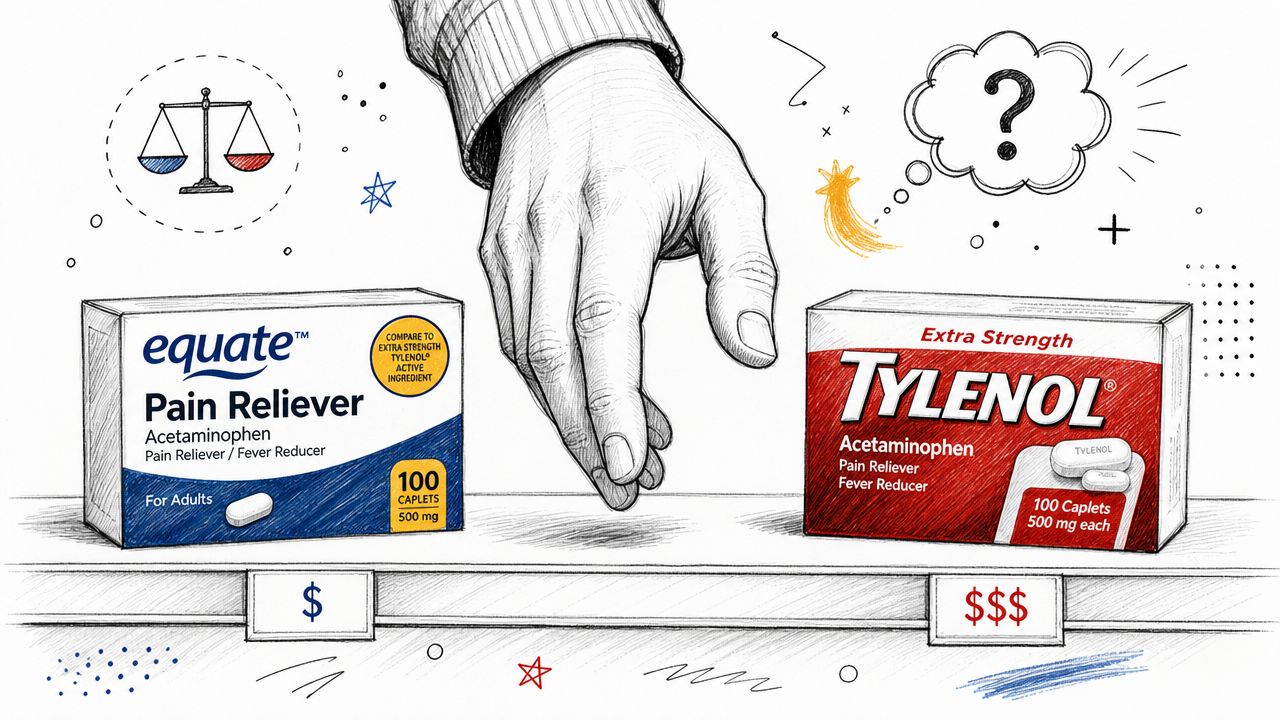
Equate is Walmart's store brand for over-the-counter medicines, including pain relievers. For many shoppers, the appeal is straightforward. You can often get the same active ingredient and the same strength found in a brand product at a lower price. That makes Equate a practical option for short-term problems like a tension headache, a fever, or sore muscles after activity.
Common questions include:
Is Equate weaker? It can work the same as a brand product if the active ingredient and dose match.
Is Equate less safe? Safety depends more on what is in the bottle, how much you take, and what else you are using at the same time.
Why is it cheaper? Store brands usually save money on brand recognition and marketing, not by changing the core medicine itself.
Practical rule: Compare the active ingredient, the strength per tablet or caplet, and the dosing directions before you compare the brand name.
That last point matters more than many shoppers expect. A pain reliever is a tool, and the label tells you which job it is built for. Two products can sit side by side, both promise pain relief, and still fit very different situations based on the ingredient inside.
Equate also fits into a bigger health decision. It is useful for acute, short-term relief when you need to bring pain or fever down now. If pain keeps coming back, the better question is no longer whether Equate or a name brand is cheaper. The better question is whether you need a longer-term support plan, which may include lifestyle changes, a medical evaluation, physical treatment, or supportive products such as River of Life alongside the right medication strategy.
That is the gap many simple comparison articles miss. Equate can be a solid rescue option. It is not a full plan for ongoing pain on its own.
Decoding the Active Ingredients in Equate
A shopper with a sore back after yard work and a child with a fever may both reach for a box labeled “pain reliever.” The front label looks similar. The ingredient inside does a different job.
That is the part to read first.
Acetaminophen for pain and fever
Many Equate pain relievers use acetaminophen. This ingredient is commonly used for headache, fever, minor aches, and arthritis-type pain, and the MedlinePlus acetaminophen guide explains the main safety points and common uses in plain language.
Acetaminophen lowers pain and fever, but it does not do much for swelling. In practice, that makes it a better fit for a tension headache, a cold with fever, or general body aches than for a sprained ankle that is puffy and irritated.
For many adults, it is also the first OTC option they consider when stomach irritation is a concern, since NSAIDs are more likely to bother the stomach lining. The trade-off is different. Acetaminophen requires careful attention to total daily dose, especially if you also use cold and flu products that may contain the same ingredient.
Ibuprofen for pain with inflammation
Some Equate products use ibuprofen, an NSAID. Ibuprofen treats pain and also reduces inflammation, which is why it often makes more sense for muscle strain, dental pain, menstrual cramps, or joint pain that feels inflamed. The NHS ibuprofen overview gives a clear summary of who should use extra caution, including people with stomach ulcers, kidney problems, or certain heart risks.
A simple way to separate the two is this: acetaminophen turns down pain and fever, while ibuprofen also helps quiet the irritated tissue contributing to the pain.
If you want a closer look at how ibuprofen works and where it fits best, this guide on ibuprofen for pain and inflammation is a useful companion.
Combination products need more attention
Equate also sells products that combine more than one pain-relief ingredient. Those formulas can be useful for short-term relief because they target pain in more than one way. They also raise the chance of accidental double-dosing.
I see this problem often with people who take a combination pain reliever, then later add a separate fever reducer or a nighttime cold product without realizing they are repeating an ingredient. The box may say “multi-symptom.” Your liver, kidneys, and stomach still count the total exposure.
Why this matters beyond the checkout aisle
Choosing the right Equate product is not only a brand decision. It is a time-horizon decision.
For short-term, acute pain, the right active ingredient can be a practical, low-cost tool. For pain that keeps returning, the bigger issue is usually not whether the box says Equate, Tylenol, or Advil. The bigger issue is whether you still need a rescue medicine, or whether you need a broader support plan that may include physical therapy, exercise changes, better sleep, medical evaluation, or supportive options such as River of Life alongside appropriate medication use.
Use the label to answer three questions before you buy:
What is the active ingredient?
Is it meant for pain alone, or pain plus inflammation?
Is it a single-ingredient product or a combination product?
Buy for the symptom in front of you. If the same pain keeps showing up, start thinking beyond short-term relief.
Equate vs Name Brands Like Tylenol and Advil
You are standing in the pain aisle with a headache, a tight budget, and three boxes that seem to promise the same thing. In that moment, the smartest question is not which label looks most familiar. It is whether the ingredient and strength match the problem you are treating.
That is why store brands often do the job just as well for short-term pain. If Equate and a name brand contain the same active ingredient at the same strength, the expected effect is usually comparable for routine use. The box design changes. The pharmacology does not.
What usually matches and what may differ
The active medicine is the first thing to compare. Inactive ingredients can differ, including dyes, coatings, binders, and tablet shape. For many people, that difference is minor. For someone with a dye sensitivity, trouble swallowing large caplets, or a strong preference for coated tablets, it can be the deciding factor.
Here is the practical side-by-side view:
Pain Type / Use Case | Active Ingredient | Equate Product | Common Name Brand |
|---|---|---|---|
Headache, fever, general aches | Acetaminophen | Equate Extra Strength Pain Reliever | Tylenol Extra Strength |
Pain with an inflammation component | Ibuprofen | Equate ibuprofen product | Advil or Motrin |
Dual-pathway short-term relief | Acetaminophen + ibuprofen | Equate combination caplet | Comparable combination analgesic products |
A quick example helps. If you have a fever and body aches from a virus, acetaminophen may be a reasonable fit whether the label says Equate or Tylenol. If your ankle is swollen after you twisted it, an anti-inflammatory option may make more sense than plain acetaminophen. For readers comparing those options, this guide on ibuprofen for pain relief gives useful context.
What matters more than the logo
In practice, I suggest comparing products in this order:
Active ingredient
Strength per tablet or capsule
Directions and age limits
Price per dose
Brand preference
That order prevents a common mistake. Shoppers sometimes pay more for a familiar brand name when a lower-cost equivalent is sitting on the same shelf with the same ingredient and dose.
A store brand is usually a value decision, not a quality downgrade. If the ingredient fits the pain problem, the medicine has a fair chance to work well. If the ingredient does not fit, even a trusted brand can disappoint.
The primary trade-off
Equate usually saves money. Name brands sometimes feel easier to trust because people have used them for years, prefer the tablet design, or recognize the packaging faster when they are in pain.
The more useful comparison is short-term relief versus a longer plan. Equate can be a practical rescue option for acute pain, fever, or a minor injury flare. If the same pain keeps coming back, the bigger decision is no longer Equate versus Tylenol or Advil. It becomes whether you still need occasional symptom relief, or whether you also need a supportive strategy that addresses the pattern itself, such as evaluation for the cause, better recovery habits, or wellness support like River of Life alongside appropriate medication use.
That is the gap many comparison articles miss. A cheaper box can be the right choice today, while a broader plan may matter more for how you feel next month.
Safe Dosing Guidelines and Potential Risks
The easiest way to get into trouble with an over-the-counter pain reliever is to treat it like a casual add-on. A common example is taking Equate for a headache in the morning, then grabbing a cold medicine at night without noticing it contains the same ingredient.
Acetaminophen safety that deserves your attention
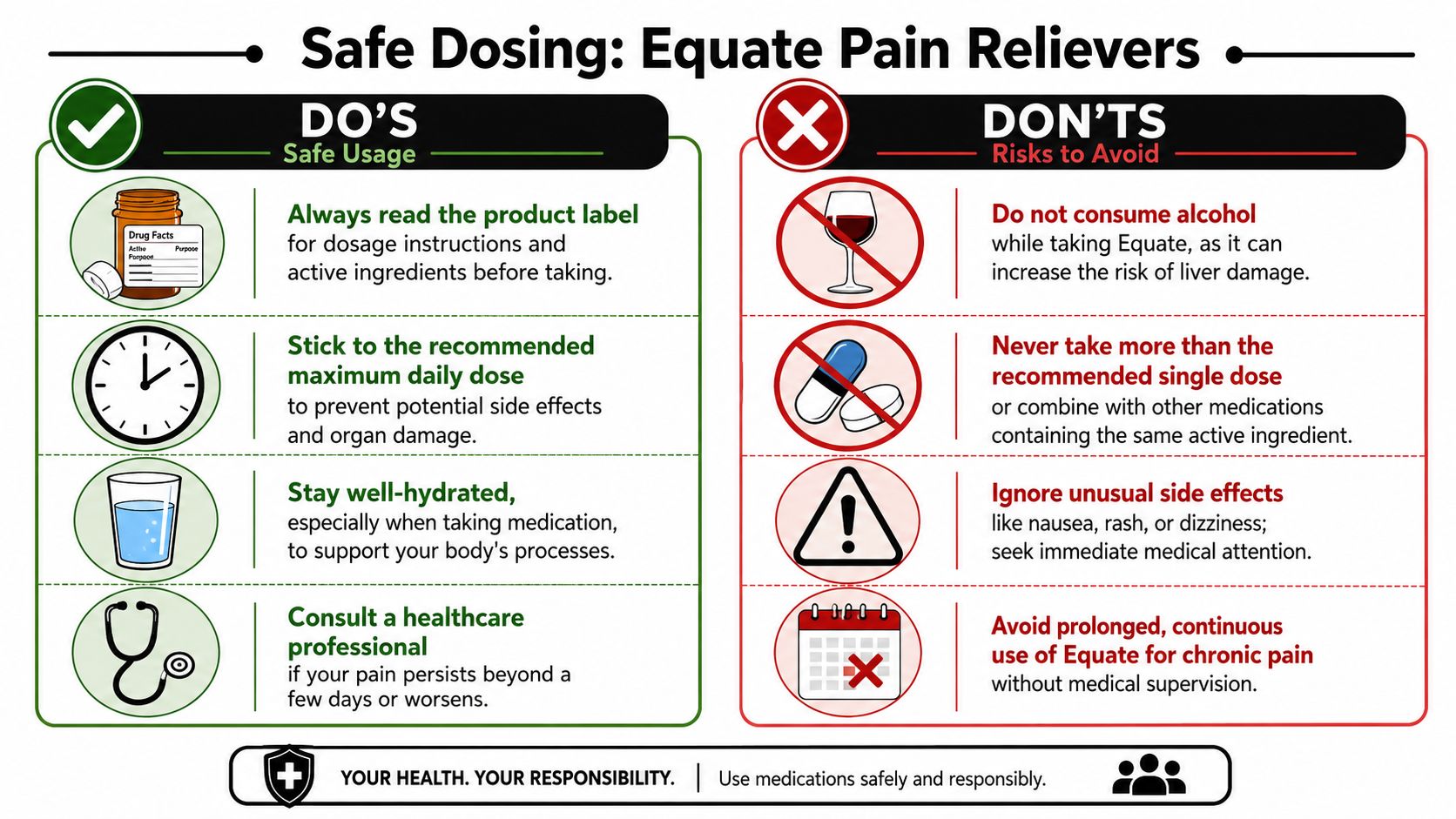
For standard adult use, Equate acetaminophen products commonly direct adults and children 12 years and older to stay within the labeled dose and spacing instructions. The practical risk is not usually one correct dose. It is overlap from multiple products taken in the same day.
That is why the Drug Facts box matters more than the front label. “Pain reliever,” “PM,” “cold and flu,” and “sinus” can all sound like different products while still sharing acetaminophen.
If you want a plain-language refresher on this ingredient, this guide to acetaminophen basics and risks explains why dose tracking matters.
What to do before every dose
Use a simple safety check:
Confirm the active ingredient: Do not assume two Equate products are different just because the box color or symptom claim is different.
Check the timing: If the label says every 6 hours, wait the full interval.
Track your total for the day: Write it down if you are sick, tired, or taking more than one medicine.
Be careful with alcohol: Acetaminophen and regular alcohol use are a poor mix for liver safety.
Stop guessing with combination products: If a formula contains more than one pain reliever, adding another medicine on top can get risky fast.
Over-the-counter means you can buy it without a prescription. It does not mean the dosing is flexible.
NSAID caution matters too
If your Equate product contains ibuprofen, the safety conversation changes. Ibuprofen can be useful when inflammation is part of the problem, but it can also irritate the stomach, raise bleeding risk, and create problems for some people with kidney disease, heart disease, ulcers, or dehydration.
This is a real trade-off. Acetaminophen is often chosen when stomach irritation is a concern. Ibuprofen may fit better when swelling is part of the pain picture. Neither is the “best” option for every person.
Pain that keeps returning also changes the goal. Equate can be a sensible short-term tool for a strained muscle, a headache, or a feverish day. If you are needing it over and over, the safer long-term strategy is to look past rescue dosing and ask why the pain keeps coming back, whether that means a medication review, a medical evaluation, or supportive wellness habits alongside symptom relief.
If you have liver disease, kidney problems, a history of ulcers, regular alcohol use, are pregnant, or take blood thinners or several daily medicines, ask a pharmacist or clinician before you keep self-treating. That short conversation can prevent a very avoidable mistake.
Shopping for the Right Equate Pain Reliever
Equate is Walmart's private-label brand, so the shelf can look crowded with several boxes that sound similar. The quickest way to shop well is to ignore the marketing phrases for a moment and match the product to the kind of pain you have.
Match the symptom, not the aisle color
Use these simple rules:
Choose acetaminophen-based Equate products when you're dealing with headache, fever, or general aches and you want a straightforward pain reliever.
Consider an ibuprofen-containing option when the pain feels tied to inflammation, such as a sore joint after overuse or discomfort with visible swelling.
Look carefully at combination products if you want multi-mechanism relief, but only if you're confident you're not already taking either ingredient elsewhere.
Questions to ask yourself before you buy
A good pain-relief choice usually starts with a few blunt questions:
Where is the pain? Head, muscles, joints, cramps, or fever can point you in different directions.
Does the area seem inflamed? If swelling or irritation is part of the picture, a non-acetaminophen option may make more sense.
Is this occasional or recurring? Recurring pain changes the conversation.
What else did you take today? This is the question that prevents accidental overlap.
If you can't say exactly what ingredient you're buying, pause before you put the box in your cart.
A shelf-side habit that saves mistakes
Turn the box over before checkout. Read the active ingredient line and the dosing section. That habit takes seconds and prevents the most common OTC pain-relief errors, especially when several products use nearly identical front-label language.
When Acute Pain Becomes a Chronic Concern
A bottle of Equate can be a sensible answer for the occasional bad day. It isn't a complete strategy for pain that keeps circling back every week.

One gap in public-facing guidance is that most OTC pain-reliever information focuses on what the product treats and how to dose it, but gives much less help on when occasional use has become repeated use. DailyMed-based content around Equate and similar products leaves relatively little practical direction for people trying to decide whether recurrent discomfort should still be handled with a short-term pain reliever or with a broader plan, as discussed in this DailyMed-related analysis of the chronic-use gap.
When the pattern matters more than the flare
If your pain reliever lives in your bag, your car, your desk, and your nightstand, that's a clue. The issue may no longer be “What should I take right now?” but “Why does this keep happening?”
That's especially true with:
Persistent joint discomfort
Activity-related soreness that never fully settles
Repeated aches linked with stress, poor sleep, or overuse
Pain that keeps returning without a clear short-term trigger
Those situations often need a layered plan. That can include movement changes, medical evaluation, physical therapy, sleep support, stress management, and in some cases a non-prescription wellness routine aimed at long-term support rather than immediate numbing.
Short-term relief and long-term support are different jobs
Acute pain relievers are built to help when symptoms flare. A wellness routine is a different category. It isn't there to replace a fast-acting tablet when you have a pounding headache. It's there to support the background factors that may be contributing to recurring discomfort over time.
For readers exploring that broader approach, this overview of natural pain relief options is a good starting point.
A helpful way to think about it is this: OTC pain relievers are like a fire extinguisher. You want one when something suddenly flares up. But if sparks keep showing up in the same corner of the house, you don't just keep spraying the extinguisher forever. You look for the wiring problem.
Here's a short video that adds helpful context to the idea of supportive wellness for ongoing discomfort:
If pain is frequent, worsening, or affecting how you move and sleep, the smartest step isn't just switching brands. It's deciding whether you still need an acute pain reliever, a more complete plan, or both.
If you're looking beyond occasional symptom relief and want a daily wellness option focused on joint comfort, stress resilience, and recovery support, take a look at River of Life. Its formula combines turmeric extract with BioPerine, plus ashwagandha root, ginger, and bromelain for people who want a supportive routine rather than another short-term pain pill.