


Hydrocodone/Acetaminophen: Uses, Dosage, and Safety Guide

You're standing at the counter with a new bottle in your hand, trying to read a label that feels written for somebody else. Maybe the pain is real, maybe the prescription is short term, and maybe you're just trying to figure out how to use it without making a second problem worse. That's the right instinct, because Hydrocodone/Acetaminophen is as much a safety and logistics question as it is a pain-relief question.
Table of Contents
What Hydrocodone/Acetaminophen Is and Who It Is For
A patient picks up this prescription and usually wants the same answer first, what is it for, and what makes it different from the other pain medicines at home? Hydrocodone/acetaminophen is a fixed-dose combination of hydrocodone, an opioid pain reliever, and acetaminophen, a non-opioid pain reliever, used for moderate to severe pain when lighter options are not enough (National Cancer Institute). It is not the starting point for every sore back, strained muscle, or headache. Clinicians use it when pain is strong enough that an opioid may provide more relief than a simpler medicine.
Why it comes as one pill
The combination exists because the two ingredients do different jobs. Hydrocodone changes how the brain and spinal cord respond to pain, while acetaminophen adds pain relief through a different pathway. Putting them together lets prescribers use a lower opioid dose than they might need with hydrocodone alone, while still treating pain that is hard to control with a single non-opioid medicine.
That design also creates a safety problem that many people miss at the pharmacy counter. Every tablet or capsule carries a built-in acetaminophen dose, so the prescription is not just about pain control, it is also about tracking the total amount of acetaminophen from all sources. Cold medicines, sleep products, and over-the-counter pain relievers can add up fast, and the liver does not make an exception just because the extra acetaminophen came from a different bottle.
Practical rule: if the label says hydrocodone/acetaminophen, do not treat it like “just a pain pill.” It is a controlled opioid plus an ingredient that can hurt the liver if the total daily amount gets too high.
Where it fits now
This medicine has a long history in U.S. pain care. It was once one of the most common opioid-combination pain medicines in the country. In the VA system, annual prescriptions peaked at 80,776 in 2011, then fell to 63,991 in 2014 and 35,031 in the first half of 2015 (PMC article). That decline reflects a broader move toward more cautious opioid use, tighter monitoring, and more attention to safety.
The reason patients still receive it is straightforward. It can help with pain that is severe enough to interfere with sleep, walking, sitting, or basic function. The reason it is handled carefully is just as straightforward. The opioid can be effective, but the combination has clear limits that need respect. It can also create dependence if it is used longer than planned, so storage, disposal, and refill timing matter just as much as the pain relief itself.
How the Two Ingredients Work Together
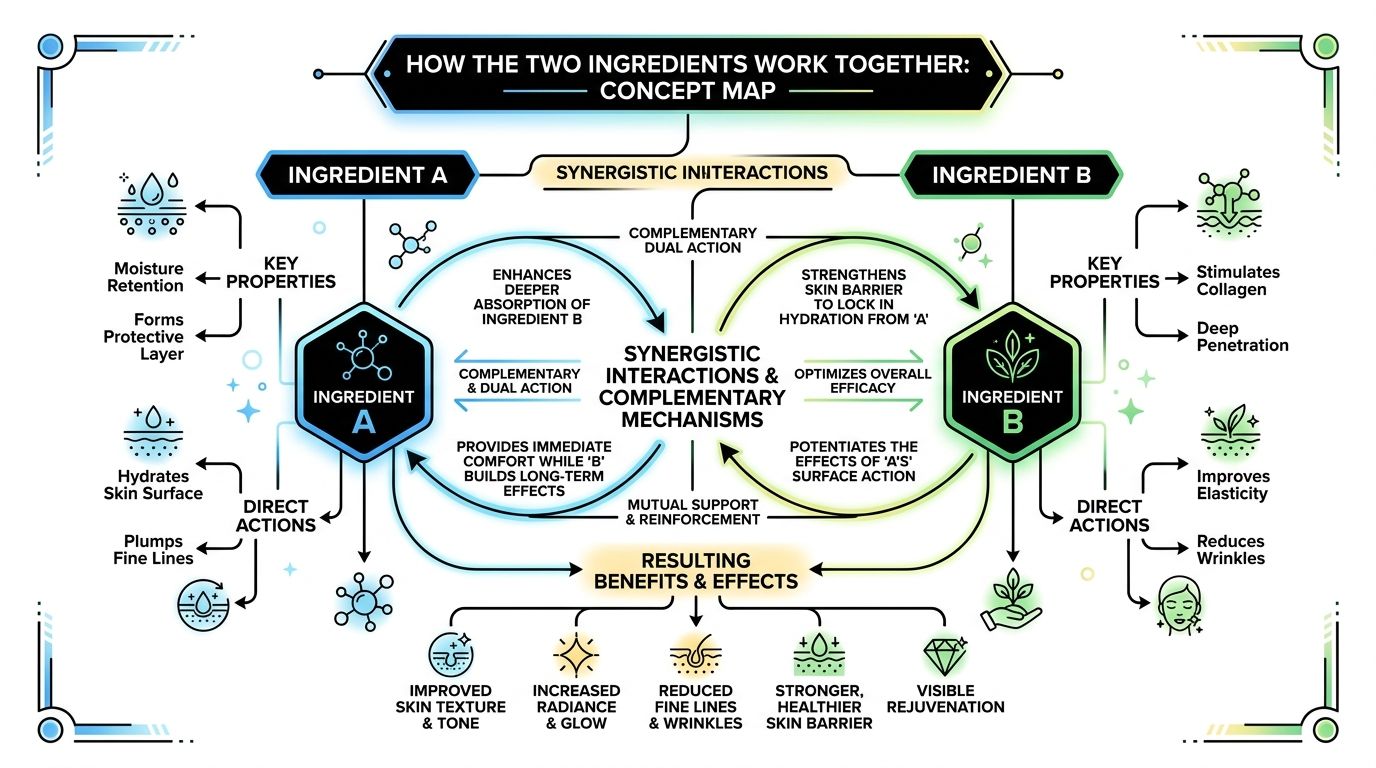
A hydrocodone/acetaminophen tablet is really a two-part safety and pain-control package. Hydrocodone lowers how strongly pain is felt through opioid receptors, while acetaminophen adds relief through a different pathway. Using both can help some people more than either ingredient alone, because the medicine is working on two separate parts of the pain problem.
Hydrocodone as the pain signal dampener
Hydrocodone is a μ-opioid receptor agonist. That means it attaches to opioid receptors in the nervous system and lowers how intensely pain is perceived. The result can be easier rest, easier movement, and a little more space to heal when pain is sharp, persistent, or hard to ignore.
The same opioid effect is also why this medicine needs careful handling at home. A dose that helps pain can also cause sleepiness, slower reaction time, and a risk of dependence if it is taken longer than planned. For that reason, the tablet is not just a pain reliever to keep in a medicine cabinet, it is also a controlled medication that should be stored and counted with the same care you would use for cash or keys.
Acetaminophen as the hidden limit
Acetaminophen works through a separate route, described as prostaglandin-synthesis inhibition. In plain terms, it helps reduce pain signaling without using the opioid pathway. That is one reason the combination can feel stronger than either ingredient on its own.
The part people miss is the safety ceiling. Acetaminophen is often the piece that sets the limit on how much of the medicine can be taken in a day. If someone also uses other pain relievers, cold products, or sleep aids that contain acetaminophen, the total can add up before they realize it. For a more detailed breakdown of that ingredient, see this guide to acetaminophen use and safety.
That creates two different guardrails. Hydrocodone raises concern for sedation and breathing problems, while acetaminophen raises concern for liver injury if the total daily amount gets too high. A patient can stay within the opioid instructions and still cross the acetaminophen line if they are not checking every label. That is why this combination is as much a medication-logistics problem as a pain question, especially when refills, household storage, and disposal all come into play.
The practical rule is simple, the opioid changes pain perception, and the acetaminophen determines how much total dosing can stay safe.
Approved Uses and Typical Dosing Ranges
A prescription for this medicine is usually written for as-needed use, not as a drug to take on a fixed schedule forever. That matches how pain often behaves, it rises, falls, and changes with activity. Common adult tablet strengths include 2.5/325 mg, 5/300 mg, 5/325 mg, 7.5/325 mg, and 10/300 mg or 10/325 mg, and dosing is commonly 1 to 2 tablets every 4 to 6 hours as needed (National Cancer Institute).
Reading the numbers on the label
The strength tells you two things at once, how much hydrocodone is in each tablet and how much acetaminophen is bundled with it. That matters because the acetaminophen total can climb fast if someone repeats doses or takes another product without checking the label first. The practical ceiling for some 5/325 products is 8 tablets per day.
Common Hydrocodone/Acetaminophen Tablet Strengths | Strength | Usual Dose | Typical Daily Ceiling |
|---|---|---|---|
2.5/325 mg | 2.5/325 mg | 1 to 2 tablets every 4 to 6 hours as needed | Follow the prescriber's directions, avoid exceeding the acetaminophen limit |
5/300 mg | 5/300 mg | 1 to 2 tablets every 4 to 6 hours as needed | Follow the prescriber's directions, avoid exceeding the acetaminophen limit |
5/325 mg | 5/325 mg | 1 to 2 tablets every 4 to 6 hours as needed | 8 tablets per day for some products |
7.5/325 mg | 7.5/325 mg | 1 to 2 tablets every 4 to 6 hours as needed | Follow the prescriber's directions, avoid exceeding the acetaminophen limit |
10/300 mg or 10/325 mg | 10/300 mg or 10/325 mg | 1 to 2 tablets every 4 to 6 hours as needed | Follow the prescriber's directions, avoid exceeding the acetaminophen limit |
A quick math check before you swallow another tablet
If a person takes the 5/325 product at the common ceiling of 8 tablets a day, the acetaminophen total is 2,600 mg from that medicine alone. That stays below the usual 4 g daily toxicity threshold, but it leaves less room than people expect if they also take cold medicine, headache medicine, or another pain reliever with acetaminophen in it. For a more detailed breakdown of duplicate dosing, see acetaminophen safety and duplicate dosing.
The point is not to memorize a formula. The point is to check every label and count every acetaminophen-containing product taken the same day. A bottle in the medicine cabinet can look harmless, but once several products are added together, the total can become the part that causes trouble.
Common Side Effects and How They Affect Daily Life
A person can take hydrocodone/acetaminophen exactly as directed and still feel unlike themselves for part of the day. That is why the side effects matter in ordinary routines, not just on a warning label. The medicine can bring pain down while also slowing thinking, balance, and digestion, so the trade-off shows up at work, at home, and behind the wheel. MedlinePlus lists sleepiness, dizziness, nausea, and slowed breathing among the important risks and side effects to watch for.
What a normal first day can look like
A person may take a dose after lunch and then notice the afternoon feels heavy and slow. Driving back to work may feel unwise, concentration can slip, and simple tasks like answering email or helping with homework can take more effort. That kind of reaction is common early in treatment because the body has not settled into the medicine yet.
The safest rule is simple. If the medicine makes you drowsy, dizzy, or mentally foggy, do not drive, operate machinery, or do anything where a mistake could hurt you or someone else.
The effects people feel in real life
Sleepiness: This can make a work shift, a school pickup, or a late-night drive unsafe. Pain may improve while alertness does not keep up.
Dizziness: Standing up too fast can leave someone unsteady. That matters in the bathroom, on stairs, or while carrying a child.
Nausea: Some people lose their appetite or feel unable to eat a full meal comfortably.
Constipation: This is one of the most bothersome opioid side effects because it can last after the pain improves and leave a person bloated or uncomfortable.
These effects can feel like separate problems, but they often travel together. A person who feels sleepy may also feel less steady, and someone who is nauseated may eat less and feel weak. It can help to treat the day as if the medicine has added extra weight to both the body and the schedule, because even routine errands may take more planning than usual.
When side effects are more than a nuisance
A little sedation or mild nausea can happen early and may settle as the body adjusts. Persistent vomiting, severe dizziness, or breathing that seems slower than normal is not something to wait out. MedlinePlus also warns that hydrocodone can cause serious breathing problems, especially when the medicine is changed or mixed with other sedating substances.
That is why the first few days often go better with a practical plan. Arrange rides if possible. Do not take the dose right before anything that needs sharp attention. Keep an eye on whether the pain relief is worth the drop in alertness, because the goal is to make daily life easier, not to trade one problem for another.
This short clip walks through what patients should watch for during the first few days.
Serious Risks, Warnings, and Drug Interactions
A bottle of hydrocodone/acetaminophen can create two safety problems at once. One is the opioid side, which can slow breathing and make a person very sleepy. The other is the acetaminophen side, which can push the liver past its limit if the total from all products gets too high. Hydrocodone is a Schedule II controlled substance, and the product is handled under the U.S. Opioid Analgesic REMS framework because misuse or overdose can be fatal.
The combinations that raise the stakes
Alcohol makes the risk higher right away. So do other CNS depressants, because they can stack with hydrocodone and leave a person overly sedated or with breathing that becomes too slow. That group includes benzodiazepines, sleep medicines, and muscle relaxers, along with other drugs that can dull alertness. The concern is not only feeling groggy. It is the possibility of overdose and death when several depressant effects line up at once.
Read more about mixing pain relievers with alcohol
Liver risk is part of the same conversation
Acetaminophen deserves just as much attention as the opioid. If a person takes hydrocodone/acetaminophen and also uses cold, flu, or pain products that contain acetaminophen, the total can rise without them realizing it. That is the hidden ceiling many basic guides skip. As noted earlier, the DEA hydrocodone profile also points to liver toxicity risk when acetaminophen intake climbs too high, including daily use above 4 g.
Special situations that deserve a prescriber's input
Liver disease changes the safety picture because the body may not clear acetaminophen as expected. Pregnancy also calls for a careful prescriber discussion, since opioid exposure has to be weighed against the reason for treatment. If someone becomes hard to wake, seems confused, or has breathing that looks very slow, that is an urgent warning sign.
The safest way to think about this medicine is practical. Count the acetaminophen from every product, avoid alcohol and other sedatives, and treat unusual sleepiness or any breathing change as a reason to get help quickly.
Dependence, Addiction Risk, and Safe Storage and Disposal
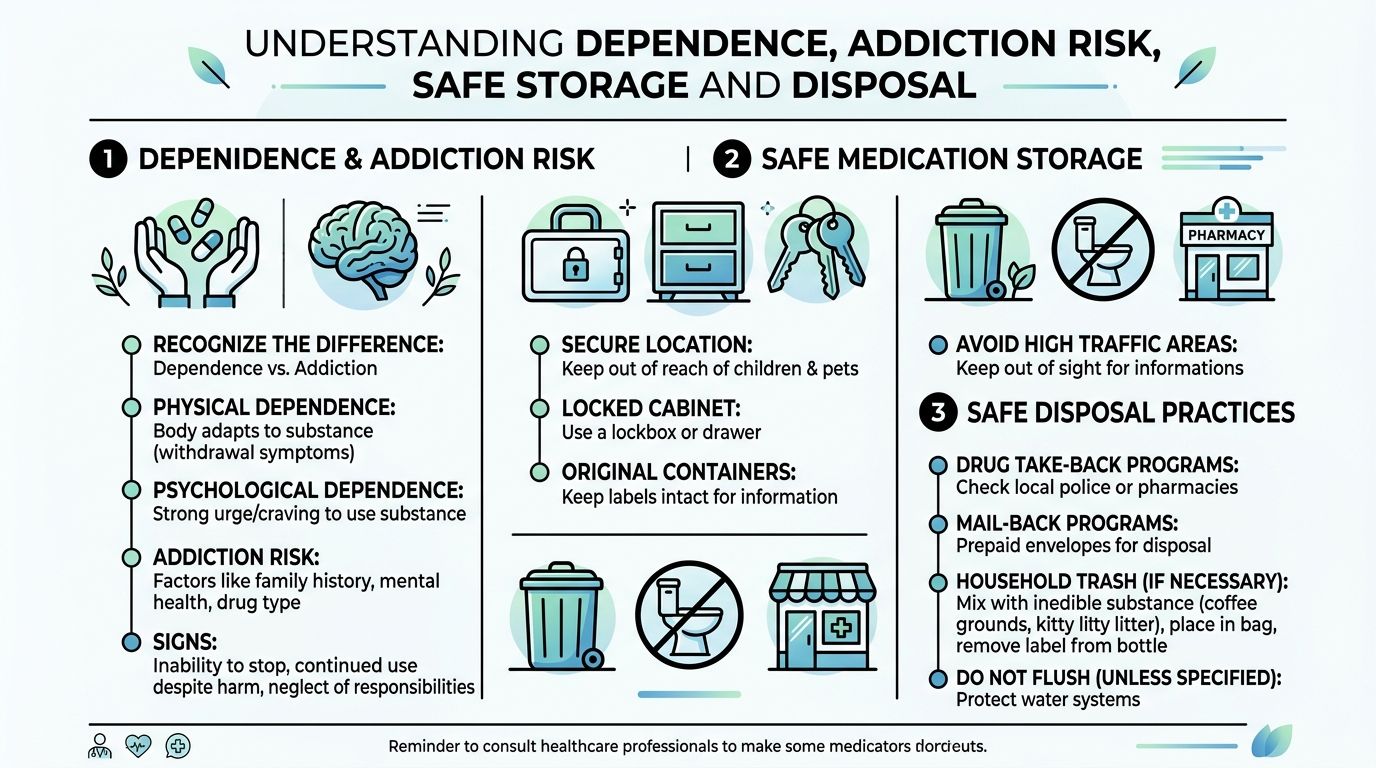
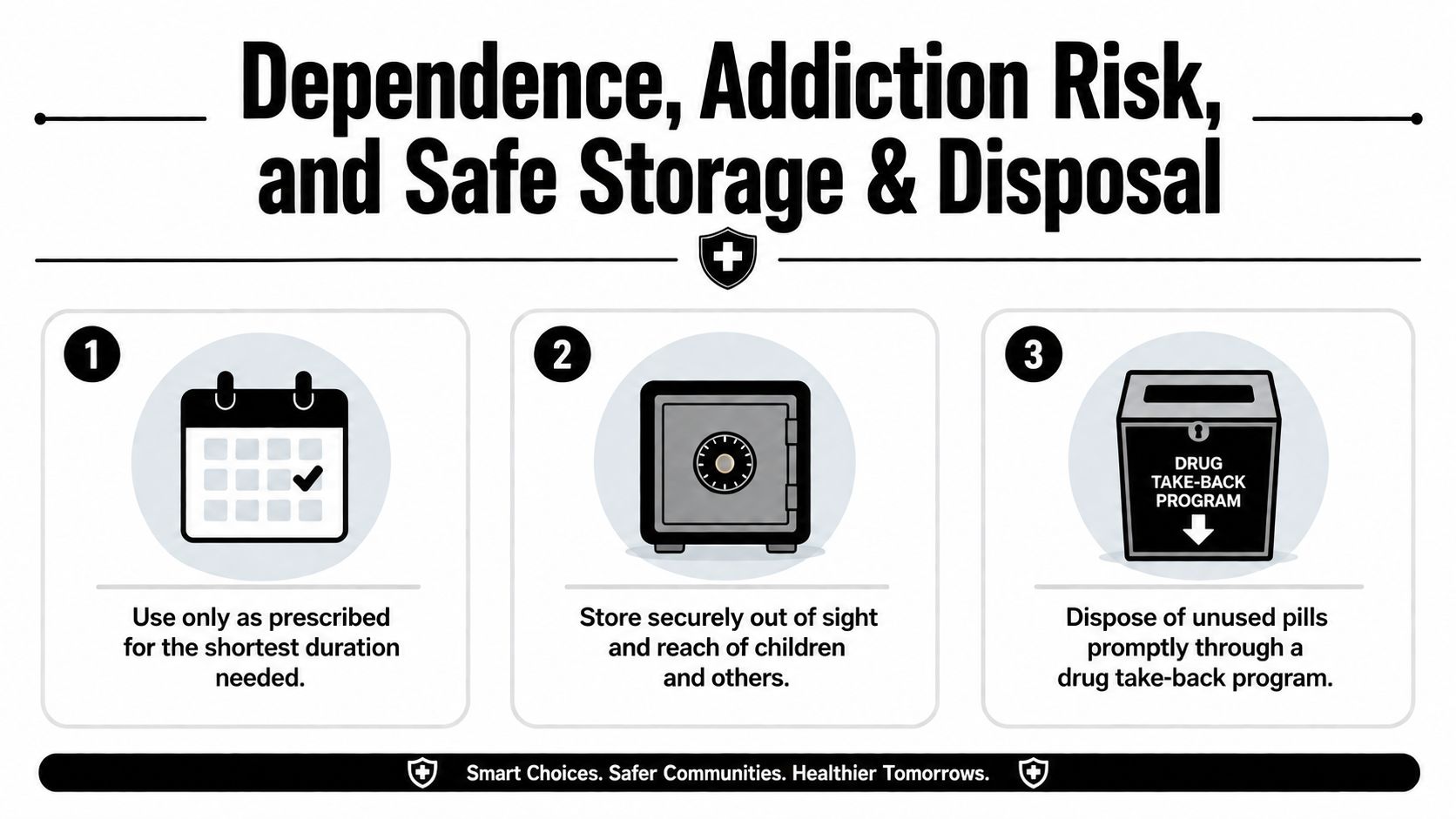
A prescription bottle can solve pain and still create a second problem at home. Hydrocodone is an opioid, so the body can get used to it. With regular use, physical dependence can develop even when the medicine was started for a valid reason.
Why leftover pills matter
Leftover tablets are more than clutter in a cabinet. A child, a guest, or someone else in the home may find them, and an unused supply can also turn into a later “just in case” option that gets used without a fresh prescription or a new safety check. Patient instructions often stress drug take-back and secure storage for that reason.
What safe storage looks like
Keep the bottle in a place a child, teen, roommate, or visitor cannot easily reach. A locked spot is better than a shelf, countertop, or purse. If the medicine is only needed for a short time, keep just the amount you need close by and store the rest separately so it is not sitting out in the open.
What safe disposal looks like
Unused tablets should go to a drug take-back program or another authorized disposal site whenever possible. MedlinePlus advises take-back or safe disposal steps because leftover opioids create household risk. If there is no take-back option right away, do not leave the pills around for later. Ask a pharmacist which local disposal option is safest.
When dependence becomes a concern
If the pill starts staying on your mind between doses, if anxiety shows up as it wears off, or if you keep taking it after the pain should be easing, that is a reason to talk with the prescriber. If a taper is needed, it should be planned rather than sudden. A pharmacy visit is also a good time to ask whether the dose still makes sense and to review storage, disposal, and the hidden acetaminophen ceiling in any other medicines you use, including options like ibuprofen and other non-opioid pain relievers.
Alternatives Worth Discussing With Your Doctor
Not every pain problem needs an opioid-combination medicine, and not every patient needs the same backup plan. The best alternative depends on what kind of pain it is, where it's coming from, and how long it's expected to last. For many people, the conversation starts with simpler options that carry less sedation and less misuse risk.
Options that may come up first
Acetaminophen alone: Useful when pain is mild to moderate and the person doesn't need an opioid.
NSAIDs such as ibuprofen: Helpful for inflammatory pain, though they're not right for everyone. This overview of ibuprofen is useful if you're comparing non-opioid options.
Topical products: Some joint or muscle pain responds better to something applied locally than to a pill that affects the whole body.
Physical therapy and movement-based care: These don't work overnight, but they're often part of a stronger long-term plan than opioids.
How to think about the trade-offs
If the pain is linked to swelling or inflammation, a non-opioid anti-inflammatory option may make more sense than an opioid combination. If the goal is post-procedure comfort for a brief period, a short-term prescription may still be reasonable. The issue isn't whether one medicine is “good” and another is “bad.” The issue is matching the tool to the job.
Some people also ask about supplements, heat, cold, stretching, or sleep support. Those can be part of a comfort plan, but they're not direct replacements for a medicine that's being used for significant pain. The right question for your clinician is usually, “What can reduce my need for this medicine, and what should I use instead if the pain changes?”
Best comparison point: if a non-opioid choice can control the pain, it usually avoids the opioid side effects that make driving, working, and alertness harder.
When to Seek Help and How to Use This Guide Safely
Call your prescriber if the medicine isn't helping, if you need it longer than expected, or if side effects are making normal life unsafe. Seek urgent help for slow or difficult breathing, unusual sleepiness, yellowing skin, dark urine, persistent vomiting, or signs that the medicine is being used in a way that doesn't match the prescription. Those can point to overdose, liver injury, or misuse.
Keep a simple checklist in mind. Store it locked, count every acetaminophen product, and dispose of leftovers promptly through a take-back program when the prescription is finished. If you're unsure whether another medicine you take is safe with this one, bring the exact bottles to your next pharmacy or prescriber visit.
If you want practical, everyday health guidance that fits real life, visit River of Life for more pharmacist-style education on pain, recovery, sleep, and safe supplement use. If you're comparing options for comfort and function, their resource library can help you ask better questions at your next appointment.