


Best Supplement for Inflammation: What the Evidence Shows

The most popular answer to “What's the best supplement for inflammation?” is usually a single ingredient, often turmeric or curcumin. That answer is incomplete. The ingredient matters, but so do its dose, formulation, absorption, intended use, and fit with the kind of inflammation you're experiencing.
A capsule that contains a poorly absorbed ingredient may look impressive on its label and still deliver limited value. A broader formula may make more sense for someone dealing with joint stiffness, recovery soreness, stress, and poor sleep at the same time. The useful question isn't which ingredient wins. It's which supplement design gives your body a realistic opportunity to use the ingredients consistently and safely.
Table of Contents
Why the Best Supplement for Inflammation Is Not a Single Ingredient
The ingredient on the front of a bottle does not determine its practical value. Inflammation involves immune signals, tissue responses, metabolic influences, and recovery demands, so joint discomfort after repetitive strain may have different drivers from fatigue during prolonged stress or soreness after demanding exercise.
A single “hero ingredient” can therefore oversimplify the decision. Curcumin may suit someone focused on inflammatory biomarkers or joint comfort. Ginger may offer modest botanical support for a broader routine. If symptoms occur alongside stress and poor sleep, addressing those factors may matter as much as choosing an ingredient.
The practical question: Ask whether the formula matches your symptoms, uses a credible delivery system, and fits a routine you can maintain.
Research supports a careful interpretation. A 2023 GRADE-assessed systematic review and dose-response meta-analysis found that turmeric and curcumin supplementation reduced C-reactive protein, TNF-α, and IL-6 in adults as reported in the PubMed review. These findings make curcumin one of the better-studied botanical options, but they do not show that every turmeric capsule will work in the same way.
The bioavailability gap helps explain why. Standardized curcuminoids paired with an absorption enhancer may offer a more practical approach than bulk turmeric root alone, because native curcumin has limited oral absorption. The ingredient name is only part of the equation. The delivery system determines how much of that ingredient has a realistic chance of being used by the body.
A formula can also reflect real-world patterns. Someone managing joint discomfort, demanding exercise, stress, and poor sleep may need a coordinated routine rather than a single isolated compound. This guide to customizing turmeric and ashwagandha for a wellness routine offers a useful example of matching botanicals to individual goals.
The central lesson is simple: the best supplement is usually a strategy, not a single celebrity ingredient.
Understanding What Inflammation Actually Does to Your Body
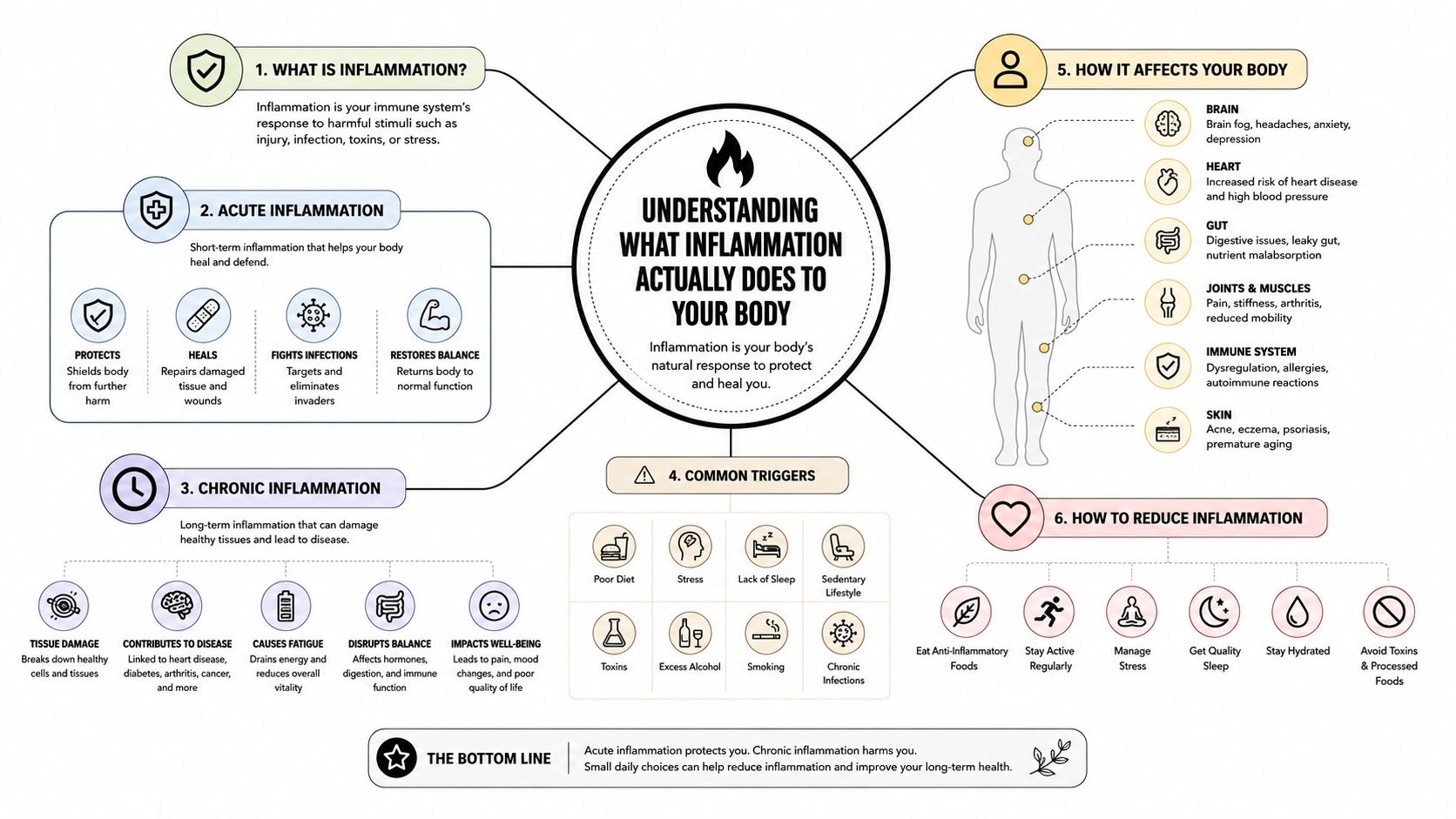
Think of acute inflammation as a controlled emergency response. You cut your finger, sprain an ankle, or encounter an infection, and the body sends immune cells and chemical signals to the area. Heat, swelling, redness, and tenderness can be uncomfortable, but they help contain the problem and begin repair.
Chronic inflammation is different. Instead of a short-lived response that settles after the threat passes, the immune system remains activated or repeatedly receives signals that keep the response going. The house-fire analogy fits well: acute inflammation is a managed fire used to clear an immediate danger, while chronic inflammation resembles a smoldering fire that keeps damaging the structure after the original problem should have ended.
The laboratory signals researchers track
Clinicians and researchers often examine inflammatory biomarkers rather than relying on symptoms alone. Three commonly tracked markers are:
C-reactive protein, or CRP: A blood marker that can rise when the body is responding to inflammation.
TNF-α: An immune signaling protein involved in inflammatory communication.
IL-6: Another signaling protein that participates in immune and inflammatory responses.
A supplement study that reports changes in these markers is measuring a biological response, not automatically proving that a person's pain or disease has been treated. Symptoms, physical function, medical history, and examination still matter.
Where supplements fit
Common contributors to persistent inflammatory pressure include ongoing stress, insufficient or disrupted sleep, repetitive joint strain, inactivity, and the normal changes that accompany aging. Diet, body composition, infections, autoimmune conditions, and injuries can also matter. These factors don't all respond to the same botanical.
A supplement may support a broader plan, but it shouldn't replace evaluation when inflammation is severe, unexplained, or persistent. Red, hot swelling in a joint, fever, unexplained weight change, significant weakness, or symptoms that interfere with normal function deserve medical attention.
Acute inflammation can help you heal. The concern is a response that stays active without a clear reason or keeps returning because the underlying trigger hasn't been addressed.
That distinction improves supplement selection. Someone with occasional post-exercise soreness may think about recovery support, while someone with ongoing joint swelling may need a clinician's assessment before choosing a capsule. Biomarkers can provide useful context, but they're only one part of the picture.
The Ingredients With the Strongest Clinical Evidence
The ingredient name on a label tells only part of the story. Turmeric and curcumin have the strongest botanical evidence in this group, yet they are not interchangeable terms. Turmeric is the plant, while curcumin refers to a group of active compounds found in turmeric extracts. Clinical studies have tested whole turmeric preparations and standardized curcuminoid products, so the extract type and delivery system deserve as much attention as the headline ingredient.
A 2023 systematic review reported pooled reductions in CRP, TNF-α, and IL-6 after turmeric or curcumin supplementation. Earlier research was less consistent. A 2016 systematic review found that standardized turmeric extract used over 8–12 weeks, often at 1000 mg/day of curcumin, reduced arthritis symptoms in some studies. In those specific comparisons, the improvements were similar to those reported with ibuprofen and diclofenac sodium review details are available in the full-text analysis.
Other reviews have found significant reductions in CRP, IL-6, and TNF-α, while a 2019 systematic review found no statistically significant decreases across several inflammatory markers in chronic inflammatory diseases. Differences in formulation, participant characteristics, outcome measures, and study quality can produce these apparently conflicting results. The evidence supports curcumin as a promising option, not as a guaranteed treatment.
Ginger has a useful but more modest evidence profile. A systematic review and meta-analysis found significant reductions in circulating CRP, high-sensitivity CRP, and TNF-α after ginger supplementation. IL-6 and sICAM did not change significantly in that analysis see the ginger meta-analysis. Another analysis of adults with type 2 diabetes found significant decreases in hs-CRP, TNF-α, and IL-6, but described the effects as relatively small, with uncertain clinical importance.
Omega-3 fatty acids offer a non-herbal option, although results depend heavily on the population and outcome measured. Human research on omega-3s and inflammation in adipose tissue remains inconclusive because the available studies are limited and varied the scoping review is available in full. Ashwagandha and bromelain may fit a broader wellness formula, but their direct inflammation biomarker evidence is less established than the evidence for curcumin and ginger.
Ingredient | Evidence level | Key biomarkers affected | Best use case |
|---|---|---|---|
Turmeric or curcumin | Strongest botanical evidence in this group, though results vary | CRP, TNF-α, IL-6 | Joint comfort and general inflammatory support |
Ginger | Moderate, with modest effects and mixed marker responses | CRP, hs-CRP, TNF-α, and in some populations IL-6 | Adjunctive support when broader botanical coverage is wanted |
Omega-3 fatty acids | Context-dependent and heterogeneous | Inflammatory outcomes vary by population and study | People considering marine or algal fatty-acid support |
Ashwagandha | More relevant to stress and resilience than direct inflammation evidence | Not established here as a primary biomarker ingredient | Stress-related wellness patterns |
Bromelain | Preliminary for this comparison | Not established here through the cited biomarker meta-analyses | Formulas designed around recovery and enzyme support |
The practical reading is straightforward. Curcumin has the strongest support in this group, ginger may complement it, and the remaining ingredients should be assessed by their role in a complete formula rather than presented as proven inflammation cures. The combination can address several biological pathways, but the product must also deliver those compounds effectively. A strong ingredient list with poor absorption is like a well-stocked toolbox that cannot reach the job site.
The Bioavailability Problem That Changes Everything
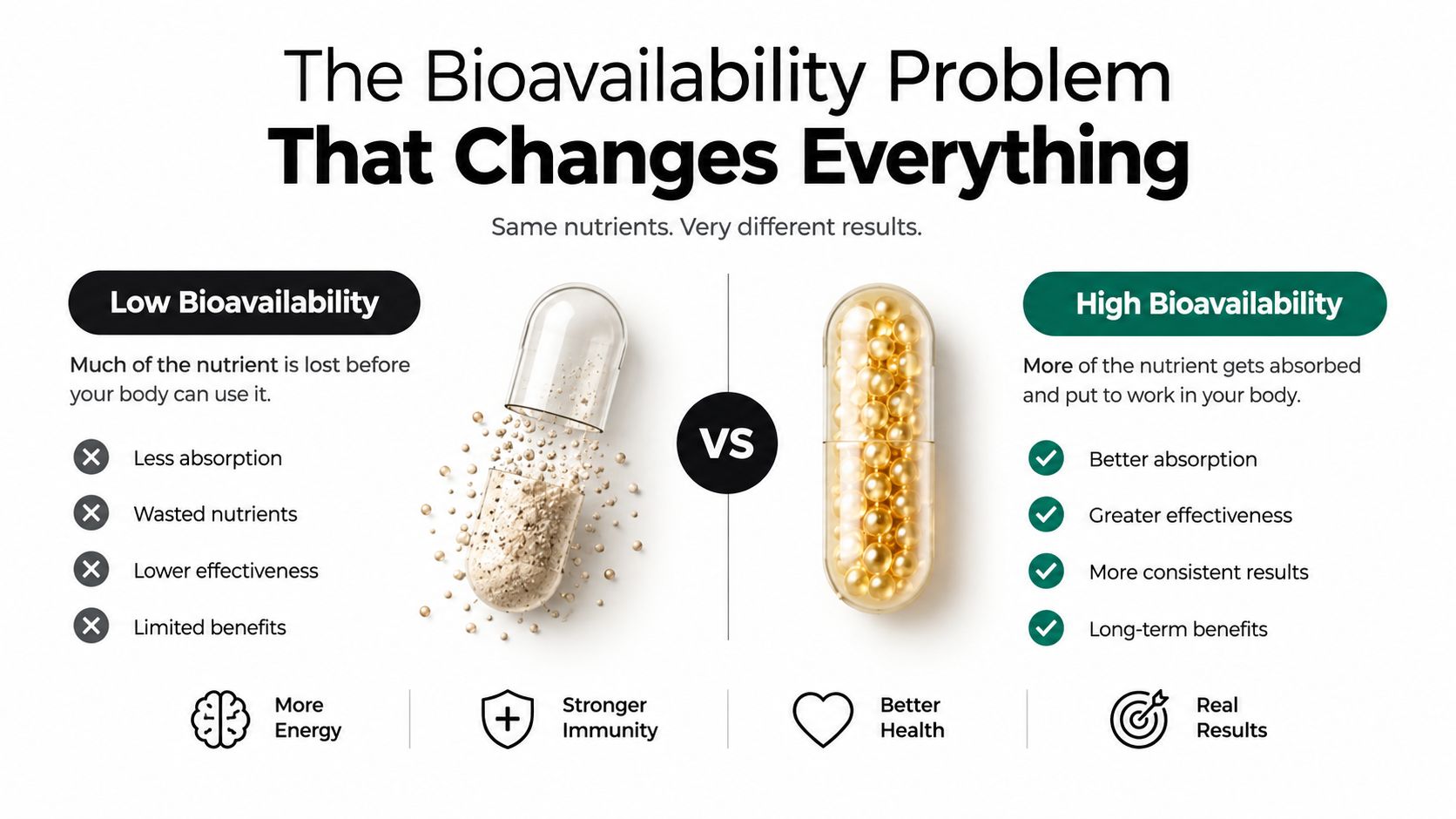
A capsule's ingredient list shows what it contains, not necessarily what reaches your bloodstream. Native curcumin has poor oral bioavailability because the digestive tract absorbs little of it, the body metabolizes much of what enters circulation, and clearance happens quickly. The result is a gap between the amount printed on the label and the amount available to the body.
A review describes human curcumin bioavailability as often around 0.16% to 1%, with roughly 90% to 98% eliminated through feces and bile. It also reports that newer formulations can exceed standard curcumin's bioavailability by more than 100-fold. Scientific American's coverage discusses this formulation gap These figures explain why “contains turmeric” gives too little information for comparing products. The delivery system determines how much of the ingredient has a realistic opportunity to work.
What piperine changes
The intestine and liver use glucuronidation to modify and clear many compounds. Piperine, the active component of black pepper extract, can inhibit this process in both locations. An independent review reports that taking piperine with curcumin can raise curcumin exposure by up to 2000% in humans. You can read the review on curcumin and piperine, then see how this pairing is discussed in the guide to curcumin with black pepper.
The finding does not make every black-pepper product equivalent. A useful label identifies the extract, states the amount when possible, and explains how it is paired with turmeric or curcuminoids. Standardized curcuminoids with a documented absorption enhancer offer clearer formulation logic than an unspecified quantity of ground turmeric.
How to inspect a label
Check these details before comparing prices or capsule counts:
Extract identity: Does the label specify turmeric extract or curcuminoids rather than only “turmeric powder”?
Standardization: Does it explain the active-compound concentration?
Absorption support: Does it include piperine, BioPerine, or another named delivery technology?
Directions: Does the manufacturer explain whether to take it with food?
Testing information: Can the company explain how it verifies identity, purity, and consistency?
Bioavailability is the bridge between swallowing an ingredient and making it available in the body. That is why the delivery system may matter more than the ingredient name printed on the front of the bottle.
Single Ingredient Versus Multi-Ingredient Formulations

The ingredient name on a bottle does not describe the whole intervention. A standalone curcumin product gives you a focused trial: one main variable, simpler tracking, and fewer ingredients to review. That setup may suit someone who is sensitive to supplements, already uses several products, or wants to judge one change at a time.
Its limitation is coverage. Inflammation-related concerns often sit alongside changes in sleep, stress, activity, and recovery. Curcumin may fit one part of that picture without addressing the others. Delivery creates another gap. A plain turmeric capsule can provide less practical value if its formulation offers no clear way to improve curcumin absorption.
A multi-ingredient formula builds several functions into one product. River of Life Capsules combine turmeric extract with BioPerine, ashwagandha root, ginger, and bromelain. BioPerine is placed alongside curcumin as an absorption enhancer, while the other botanicals are included for stress resilience, broader botanical support, and recovery-oriented use. The formulation therefore addresses delivery and the wider routine together, rather than relying on the ingredient name alone.
Match the formula to the pattern
A person whose main concern is joint comfort may prefer a single ingredient because the trial stays easy to interpret. If the same concern appears with poor sleep or sustained stress, a formula that also includes ashwagandha may fit the broader pattern more closely.
Recovery needs can point in another direction. Someone reviewing a turmeric-only capsule after exercise might instead consider a blend containing curcumin, ginger, and bromelain for wider recovery-oriented coverage. That choice still cannot guarantee symptom relief, and the formula should be judged by its doses, directions, and tolerability.
Combination formulas are not automatically better. More ingredients increase the number of possible sensitivities and interactions, while making it harder to identify which component is helping. They can also make dose control less precise.
Interest in combination strategies is growing for inflammation patterns that involve several connected concerns. A 2025 scoping review describes one synbiotic intervention that produced broader inflammatory-protein reductions in a particular setting than inulin fiber or omega-3 supplementation alone, while emphasizing that results depend on the intervention and context review the current discussion of combination approaches.
Choose a single ingredient for a controlled, focused trial. Consider a combination when several connected needs shape your daily experience, and check every ingredient for safety first.
Dosing Timing and Safety Considerations
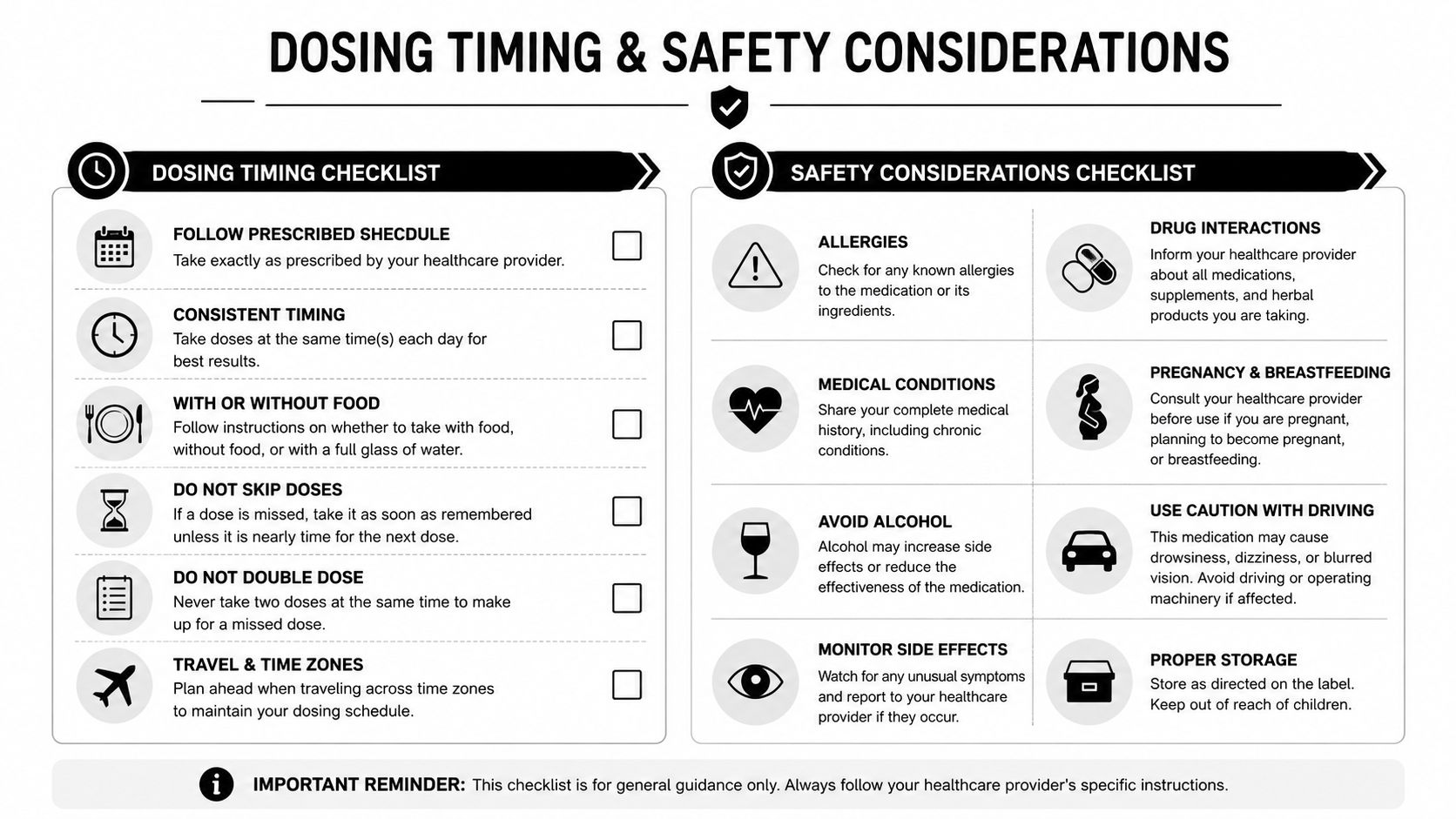
Dose comparisons help only when the product's ingredients and delivery system are clear. Clinical research has used different amounts for curcumin, curcuminoids, and turmeric, so a study dose is not a universal personal prescription. Follow the label and consider the extract's concentration, form, and absorption approach rather than comparing milligrams alone.
Take curcumin with a meal, especially one containing some fat, unless the product directions specify another method. Food may improve tolerance, while a named absorption enhancer addresses a separate bioavailability problem. Ginger, ashwagandha, and bromelain also vary in concentration and preparation, so use them according to the product label.
Clinical studies often assess inflammatory changes over 8–12 weeks, rather than after one capsule or a few days. As noted in the evidence review above, that timeframe supports reassessing symptoms instead of continuing indefinitely without review. Track discomfort, sleep, activity tolerance, and any laboratory markers recommended by a clinician.
Discuss these situations with a clinician
Blood-thinning medication: Curcumin, ginger, bromelain, and other botanicals may be unsuitable with certain anticoagulant or antiplatelet medicines without professional guidance.
Anti-inflammatory medication: Ask a pharmacist or doctor before combining supplements with regular nonsteroidal anti-inflammatory drugs.
Surgery or a bleeding condition: Review the plan with your medical team before using botanicals that may affect bleeding risk.
Gallbladder, liver, or digestive concerns: Abdominal pain, persistent nausea, unusual bruising, rash, or worsening symptoms warrant prompt medical advice.
For nonprescription approaches to discomfort, the guide to natural pain relief options offers additional context. Supplements should support informed care, not delay evaluation of unexplained swelling, severe pain, fever, or loss of function.
How to Evaluate and Buy an Anti-Inflammatory Supplement
Start with the label, not the marketing claim. A product designed for inflammation support should identify its botanical extracts clearly, explain standardization where relevant, and show how it addresses curcumin's absorption limitations. “Turmeric” alone tells you less than a label that identifies the extract, active compounds, delivery system, and serving directions.
Use this buying checklist:
Read the active ingredients: Look for named extracts and transparent amounts.
Check the delivery system: Piperine, BioPerine, or a documented alternative signals that the manufacturer considered absorption.
Review the full formula: Confirm whether added ingredients fit your goals and medications.
Look for quality controls: Ask whether the company tests identity, purity, and batch consistency.
Inspect the practical terms: Read the return policy, shipping information, capsule count, and subscription conditions before ordering.
A multi-ingredient product may be reasonable for someone seeking joint comfort alongside stress and recovery support. A single standardized curcumin product may be preferable when you want tighter control over your trial. Neither choice replaces medical assessment for persistent inflammation, and neither should promise to treat arthritis, autoimmune disease, or another diagnosed condition.
River of Life Capsules provide one example of the combination model, using turmeric extract with BioPerine alongside root-only ashwagandha, ginger, and bromelain. The company describes the capsules as vegan, filler-free, and available through one-time or subscription purchasing, with international fulfillment and educational material through The ROL Journal. Treat those details as purchasing information, then compare the product's label and safety profile with your own needs.
A credible supplement choice has two parts: a formulation that makes biological sense and a routine you can use consistently without compromising safety.
Persistent or severe inflammation deserves professional evaluation, especially when symptoms affect movement, sleep, work, or daily activities. A clinician can help identify the cause and determine whether biomarkers, imaging, prescription treatment, or lifestyle changes belong in the plan.
If you're looking for a multi-ingredient approach to inflammatory support, River of Life offers vegan capsules combining turmeric extract with BioPerine, ashwagandha root, ginger, and bromelain. Visit the brand to review the formulation, one-time and subscription options, shipping details, and educational resources before deciding whether it fits your routine.